Environmental Impact Management

Environmental Impact Management

HL D&I Halla systematically manages key environmental indicators to proactively respond to shifts in the global environmental management paradigm and minimize environmental impacts throughout the entire construction business process. The Company’s key management indicators include greenhouse gas emissions, energy and water consumption, air pollutant emissions, waste generation, and waste recycling rates. Data generated across all business sites is regularly measured and analyzed to continuously advance the Company’s environmental management system. Based on the analyzed data, HL D&I Halla monitors performance against annual targets in real time and takes immediate corrective action when areas for improvement are identified, thereby preventing environmental risks in advance. Beyond the management of quantitative indicators, the Company continues to improve its environmental performance through practical operational innovations, including the adoption of energy-saving technologies, the expanded use of environmentally friendly materials, and the advancement of resource circulation processes. Going forward, HL D&I Halla will further strengthen its data-driven environmental management system and consolidate the foundation for sustainable business operations.

Key Environmental Performance Indicators

Area Management Indicator Unit 2025 Target 2025 Performance 2025 Achievement Rate1)
Greenhouse Gas Emissions Greenhouse Gas Emissions tCO₂eq 15,500 15,017 100%
Energy Energy Consumption Intensity2) TJ/KRW 100 million 0.04 0.017 100%
Energy Consumption TJ 300 279 100%
Waste Waste Generation ton 115,000 94,111 100%
Waste Recycling Rate % 100 100 100%
Water Consumption Water Consumption Intensity3) ton/KRW 100 million 13 10.2 100%
Acquisition of Green Technology Certifications Number of Green Technology Certifications Acquired Cases 1 2 100%
Compliance with Environmental Laws and Regulations Fines for Violations of Environmental Laws and Regulations Cases 0 0 100%
Expansion of Environmentally Friendly Vehicle Operations Number of Environmentally Friendly Vehicles Owned Vehicles 2 9 100%

1) Achievement rate formula: [1 − (Performance − Target) / Target] × 100 (%). Where performance exceeds the target, the achievement rate is presented as 100%.

2) Energy consumption excluding suppliers / Revenue

3) Water consumption / Revenue

Resource Circulation

Due to the nature of the construction industry, which involves large-scale resource inputs and a wide variety of processes, significant volumes of waste are generated, making the management of associated environmental impacts particularly important. HL D&I Halla seeks to minimize environmental impacts on local communities and ecosystems by systematically managing the various types of waste generated throughout its business operations. The Company also manages waste generation and treatment across all business sites through an electronic system and publicly discloses the relevant information, thereby establishing a transparent and accountable waste management framework.

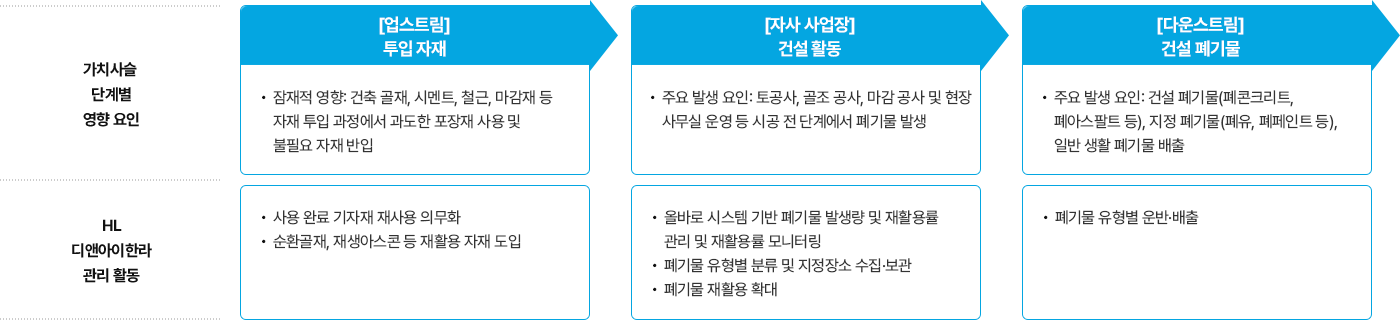
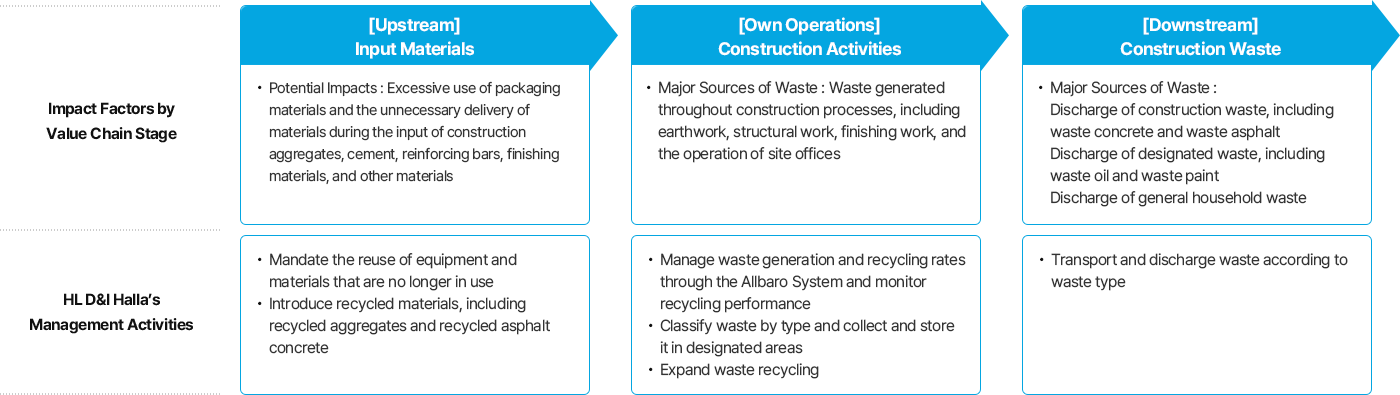
Waste Management Activities by Value Chain Stage

Waste Disposal Process

Step 1

Environmental Impact Assessment

  • Conduct environmental impact assessments for each construction site
Step 2

Waste Identification

  • Identify the status of waste generation
Step 3

Registration and Classification

  • Register and classify waste
Step 4

Determination of Treatment Method

  • Establish recycling and treatment plans
Step 5

Recycling and Final Treatment

  • Self-recycling
  • Consigned recycling

Waste Resource Circulation

To promote resource circulation, HL D&I Halla mandates the reuse of equipment and materials that are no longer in use, including office furniture, containers, and testing equipment. In 2025, the Company reused equipment and materials in a total of 108 cases. The Company is also actively introducing materials made from recycled raw materials, such as scrap metal, as well as circular resources including recycled aggregates and recycled asphalt concrete, thereby improving its waste recycling rate. As a result of these efforts, HL D&I Halla achieved a waste recycling rate of 100% for three consecutive years from 2023 to 2025.

Three Consecutive Years

100% Waste Recycling Rate

Three Consecutive Years

100% Percentage of Business Sites Disclosing Waste Discharge Data
Excellent Performance

Introduction of a Construction Method to Improve Resource Efficiency

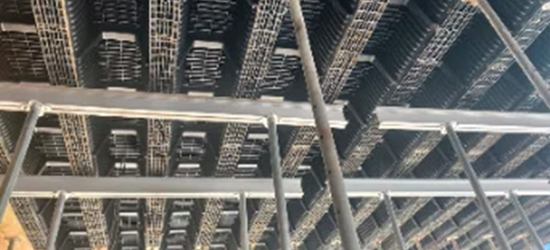
HL D&I Halla actively promotes the optimization of construction material use to advance resource circulation and create environmentally friendly construction sites. As part of these efforts, the Company is introducing the Plastic Reusable System (PRS) construction method, which uses reusable plastic formwork, at major construction sites. The PRS method uses reusable plastic materials in place of conventional plywood formwork, significantly reducing waste generation and improving resource efficiency. The application of prefabricated formwork also enhances on-site work efficiency while contributing to the reduction of carbon emissions at construction sites. Through the adoption of this construction method, HL D&I Halla will continue to minimize the environmental impact of the construction industry and lead the transition toward sustainable construction practices.

Excellent Performance

Application of an Environmentally Friendly Construction Method

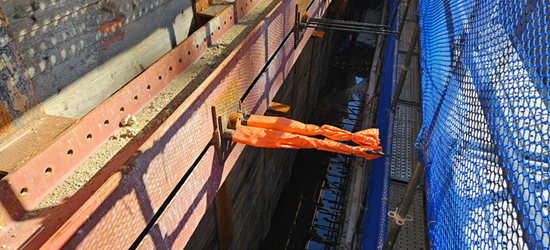
HL D&I Halla carries out a variety of resource circulation activities to improve the efficiency of resource use and minimize environmental impacts throughout the construction process. As part of these efforts, the Company applied the PS Soldier Pile Method, an improvement on the conventional earth-retaining construction method. This method uses only the minimum amount of structural materials required in the necessary sections, thereby reducing steel consumption compared with conventional methods while maintaining structural stability. Through the application of this method, the Company has minimized unnecessary material inputs and reduced resource waste and waste generation during the construction process. HL D&I Halla will continue to improve resource efficiency and reduce environmental burdens through the advancement of construction methods, thereby realizing environmentally friendly construction based on resource circulation.

Water Resource Management

Water Risk Management

HL D&I Halla analyzes water stress levels in the regions where its business sites are located and assesses water-related risks using the WRI Aqueduct Water Risk Atlas. The assessment found that most business sites are located in areas with a low level of water stress, while certain regions were identified as requiring management due to a medium level of water stress. The Company is also strengthening its water resource management system at each business site based on the standards of the Alliance for Water Stewardship (AWS). Going forward, HL D&I Halla will continue to expand the foundation for sustainable water resource management by reducing water consumption and preventing water pollution.

Water Stress Management Process

Water and Wastewater Management

HL D&I Halla implements water efficiency and water quality protection activities to minimize the environmental impacts associated with water consumption and realize sustainable water resource management. The Company monitors monthly water consumption to encourage water conservation in all areas, from domestic water use to water use at construction sites. At construction sites, the installation of environmentally certified toilets, faucets, showerheads, and other water-saving fixtures is mandatory. The Company also applies sprinklers, fog systems, and vehicle-detection sensors at construction sites to suppress fugitive dust while structurally preventing unnecessary water consumption during water-spraying operations. Furthermore, HL D&I Halla has established a water pollutant monitoring system to prevent water pollution and conducts quarterly water quality inspections based on internal water quality management standards that are more stringent than statutory requirements. Through these measures, the Company continues to enhance the sustainability of water resources and strengthen water quality safety.

Key Water Quality Management Standards

Indicator Management Standard
COD(Chemical Oxygen Demand) 15 ppm or less
BOD(Biochemical Oxygen Demand)
TOC(Total Organic Carbon)
SS(Suspended Solids)

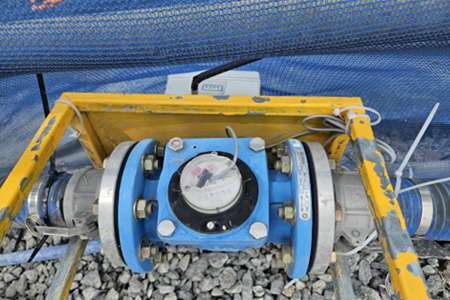
Installation of Remote-Reading Flow Meters

Installation of Sprinklers
on Embankment Slopes along
Main Access Roads

Installation of Water Fog Systems

Air Pollutant and Noise Management

Air Environment Management

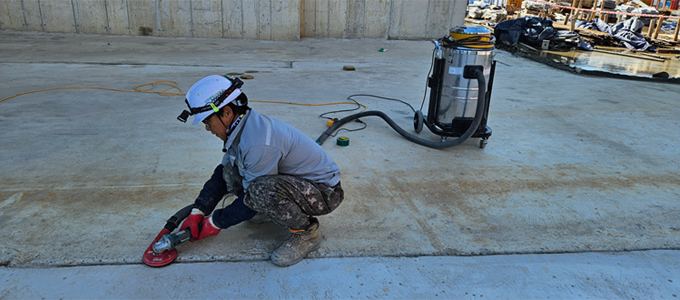
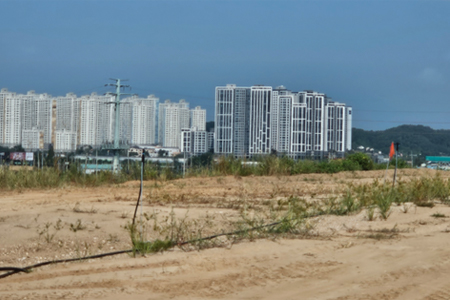
HL D&I Halla has entered into a Voluntary Agreement on Fine Dust Management with the Ministry of Environment to improve air quality and reduce fine dust. Based on this agreement, the Company systematically manages fugitive dust and fine dust generated at construction sites. The Company has also established a management system for fugitive dust and fine dust reduction activities and operates a Fugitive Dust Management Manual to ensure that all construction sites carry out management activities in accordance with consistent standards. Under this framework, HL D&I Halla minimizes fugitive dust generation through a range of mitigation activities, including adjusting the timing of major construction processes, restricting the use of aging construction equipment, operating dust-control facilities at material storage areas, and deploying water tankers. The Company also conducts regular monitoring and inspections to create a pleasant working environment and reduce environmental impacts on local communities. In addition, HL D&I Halla continuously works to minimize fugitive dust emissions through measures such as adjusting the timing of major construction processes, restricting the use of aging construction equipment, installing dust collectors for outdoor grinding work, operating water tankers, and improving work processes.

Fugitive Dust Management Standards

Indicator Details
PM2.5 24-hour average of 25 μg/m³ or less
PM10 24-hour average of 50 μg/m³ or less

Installation of Dust Collectors for Outdoor Grinding Work

Noise and Vibration Management

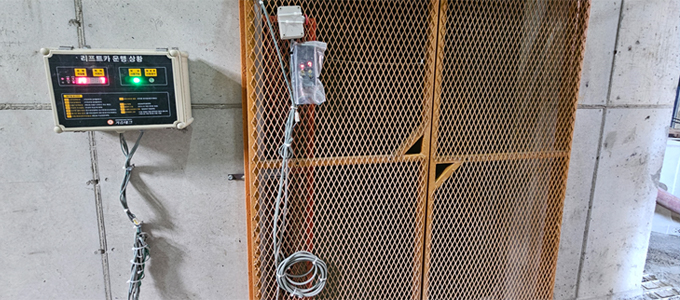
HL D&I Halla systematically manages noise and vibration to minimize environmental impacts arising from construction sites and promote coexistence with local communities. For noise and vibration management, the Company has established its own process-specific standards that are stricter than the statutory limits of 65 dB for residential areas and 70 dB for other areas, and operates a systematic management framework based on these standards. Noise measuring devices are installed at all construction sites, and real-time measurements are monitored through an IoT-based smart monitoring system. The system is also connected to headquarters, enabling prompt responses when abnormal readings are detected. The Company implements direct mitigation measures, including installing lift cars within buildings at designated elevator locations, operating noise-blocking facilities such as air sound barriers, and limiting the speed of construction vehicles within project sites. HL D&I Halla also applies low-noise equipment and noise-reduction construction methods and conducts real-time monitoring through noise measuring devices installed at each construction site.

Noise and Vibration Management Standards

Area Details
Residential Areas 60 dB or less (Statutory limit: 65 dB or less)
Other Areas 65 dB or less (Statutory limit: 70 dB or less)

Installation of Lift Cars Inside Buildings

Air Environment Management

Case

IoT Smart Monitoring System

To enhance the Company-wide level of environmental and safety management, HL D&I Halla requires all construction sites to establish and operate an IoT-based smart safety and environmental monitoring system in real time. The system automatically measures major environmental hazards, including fine dust, noise, and vibration, and the collected data is disclosed in real time through electronic display boards installed at construction sites. The disclosure of this information increases workers’ awareness of environmental and safety risks while enhancing the transparency of the site safety management system. The collected environmental data is monitored in real time not only at the construction sites but also at headquarters. The Company has established a response system under which immediate corrective action can be taken when measurements exceeding applicable standards are detected. This immediate response framework is operated in connection with the existing fine-dust response process and focuses on proactively preventing environmental impacts and complaints arising from fugitive dust, noise, and vibration.

Management of Hazardous Chemical Substances

Recognizing the importance of hazardous chemical management, HL D&I Halla identifies applicable laws and regulations in advance and proactively responds to risks that may arise during the handling of chemical substances. To support these efforts, the Company distributes work guidelines to all construction sites. The guidelines cover general information regarding Material Safety Data Sheets (MSDSs), substances subject to management, standards for handling hazardous chemicals, and standards for the installation and management of storage facilities. Construction-site workers are required to strictly comply with these guidelines. To enhance the effectiveness of hazardous chemical management, the Company also conducts monthly self-inspections and regular inspections once every six months to continuously verify compliance with the work guidelines.

Soil Management

HL D&I Halla recognizes soil environment protection as an important environmental responsibility and operates a management system to proactively prevent soil contamination at its business sites. The Company complies with applicable laws and regulations, including the Soil Environment Conservation Act, and regularly conducts soil contamination surveys at business sites to proactively identify potential contamination risk factors. For soil contamination prevention facilities at business sites, the Company conducts monthly self-inspections and regular inspections at least once every six months to closely examine whether pollutants have leaked. HL D&I Halla also operates an Integrated Reporting Center to ensure a prompt response in the event of contamination. Through this channel, suspected cases of contamination can be immediately reported and addressed at the site level. Through these systematic management activities, the Company detects and prevents potential contamination at an early stage and works to prevent the spread of soil contamination.