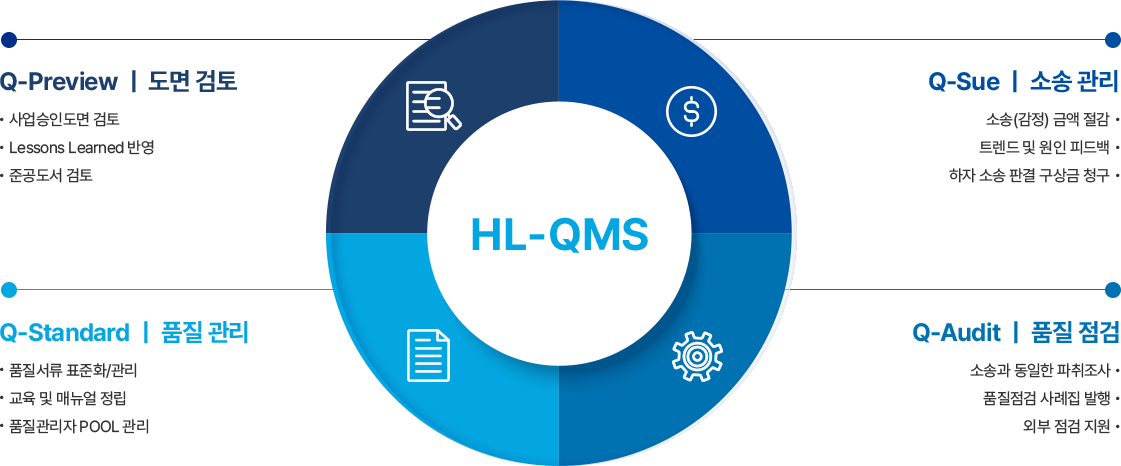
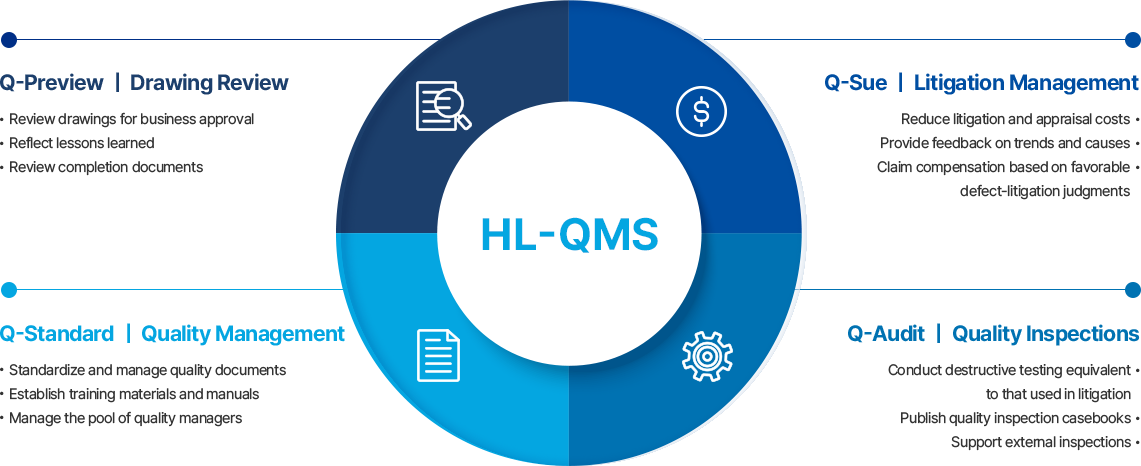
Quality Management Vision
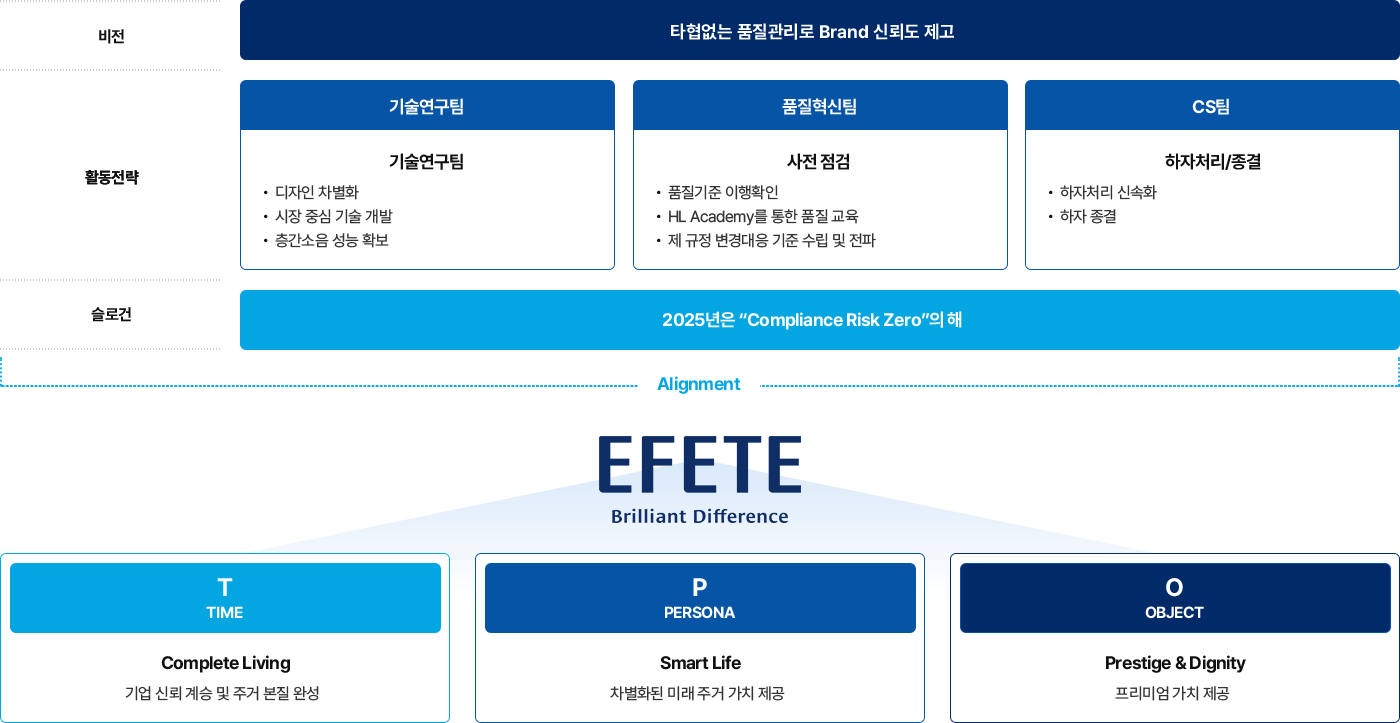
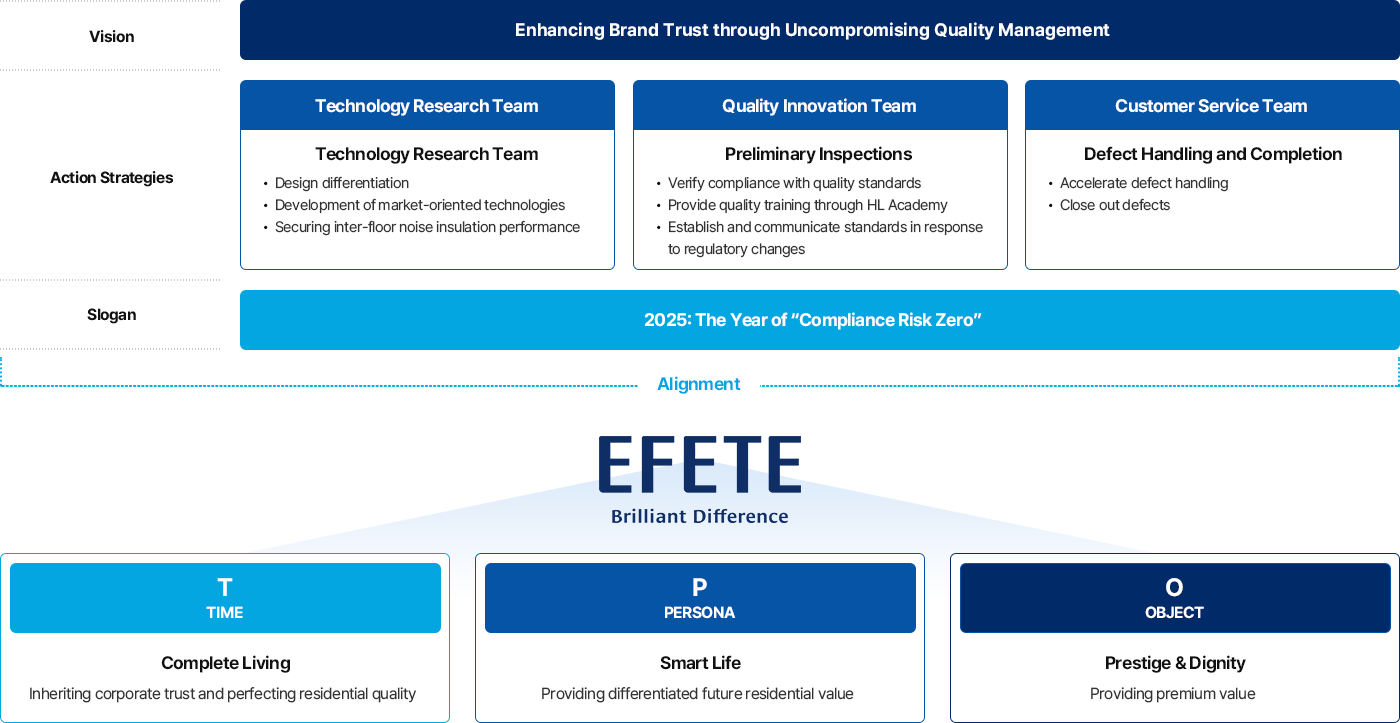
HL D&I Halla has established a quality management vision of “Enhancing Brand Trust through Uncompromising Quality Management” and is embedding it as a core value throughout its management activities.
Based on this vision, the Company’s residential brand EFETE strengthens its brand competitiveness through three key value propositions: inheriting corporate trust and perfecting residential quality, providing differentiated future residential value, and delivering premium value.
In particular, under the slogan “Quality without Compromise,” HL D&I Halla concentrates its capabilities on proactively eliminating potential quality risks and securing the highest quality standards trusted by customers.
The Company will respond promptly to rapidly changing market conditions and increasingly stringent quality regulations and continue to provide sustainable, high-quality residential value through innovative products and services.
Quality Management Vision House
Quality Management Strategy Framework
HL D&I Halla has established a quality management strategy centered on Education, Audit, Action, and DT, thereby strengthening its worksite-centered quality management system.
The Company enhances quality capabilities through the operation of technical guidelines for quality construction and employee training and proactively manages quality risks during construction by strengthening its worksite inspection system.
HL D&I Halla also continuously improves the efficiency and execution of on-site quality management through activities that enhance subcontractors’ quality awareness and the establishment of a mobile construction management system.
In 2025, the Company promoted the internalization of its quality management system by improving the training system, ensuring the objectivity of its worksite evaluation framework, and strengthening the mobile construction management system.
In 2026, HL D&I Halla plans to continuously improve company-wide quality management standards by establishing a subcontractor quality evaluation system and further advancing its worksite quality assessment framework.
Quality Management Strategy Framework
Quality Management Roadmap
- Establish technical guidelines for quality construction
- Strengthen the capabilities of quality managers
- Establish worksite evaluation criteria
- Establish MINE Quality Inspections
- Introduce automatic distribution of manuals by work type
- Pilot the EFETE TIME program
- Establish and revise technical guidelines for quality construction
- Improve the training system
- Systematize worksite evaluations
- Strengthen the mobile construction management system
- Verify compliance with quality construction standards
- Continuously operate the training system
- Expand the scope of quality management using AI
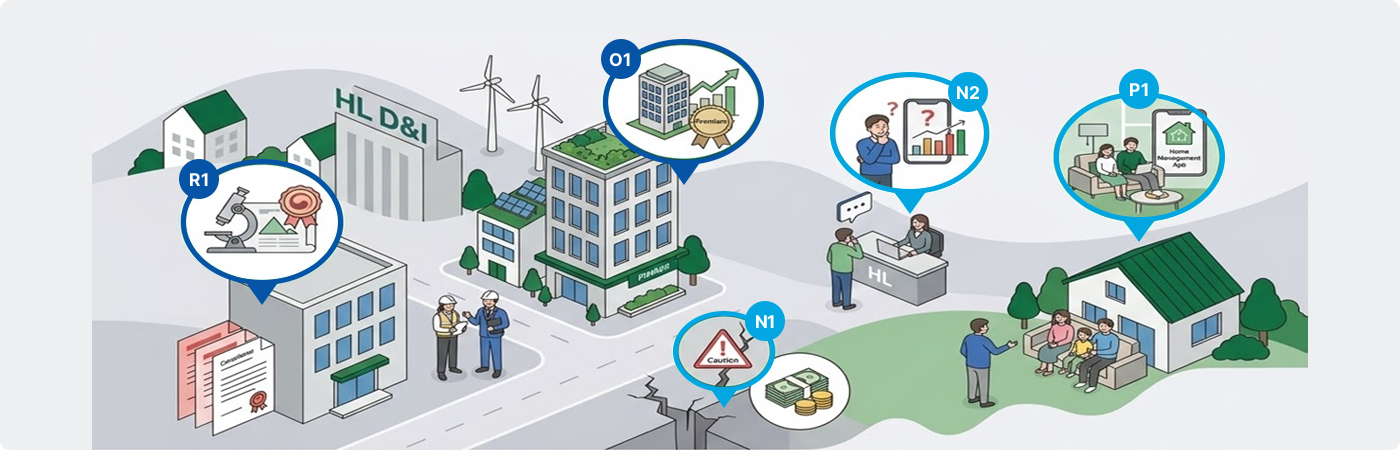
Major Risks, Opportunities, and Impacts Related to Quality Management and Customer Satisfaction 1)
1) Reports on the risks, opportunities, and impacts (IROs) selected as key IROs through the double materiality assessment. The complete list of IROs is available in the section on impacts, risks, and opportunities related to quality management and customer satisfaction.
Quality Management Strategy during the Construction Phase
Worksite Quality Audits
HL D&I Halla conducts quality audits at all worksites to review the appropriateness of construction quality and the management standards applied to major work processes.
Quality audits are conducted based on the Quality and Environment Regulations and the Company’s internal construction evaluation framework. The audit system comprehensively assesses compliance with applicable laws and regulations and the level of implementation of internal quality standards.
The Company expanded its audit process from four stages to six stages, enabling more thorough inspections of vulnerabilities by work type.
Any required improvements identified through audits are immediately reflected at worksites through operational coordination meetings, thereby preventing the recurrence of quality issues and improving construction quality.
Six-stage Quality Audit Process
Step 1
First Stage: Commencement of Construction
- Quality Management and Quality Testing
Inspection of documents and laboratory setup
Step 2
Second Stage: Structural Work
- Technical Guidelines for Quality Construction
Training and quality inspection
Step 3
Third Stage: Wet Construction Work
- Construction quality and quality documents
Inspection and destructive testing
Step 4
Fourth Stage: During Finishing Work before Completion1)
- Construction quality and quality documents
Inspection and destructive testing
Step 5
Fifth Stage: Within Three Months before Completion
- Construction quality and quality documents
Review of completion documents
Step 6
Sixth Stage: EFETE TIME, D-752)
- Inspection of common areas in preparation for move-in
Other worksite support
1) Upon completion of structural work
2) Seventy-five days before the pre-occupancy inspection date
Quality Audits of Major Defect-prone Work Types
In 2025, HL D&I Halla conducted 43 worksite quality audits to proactively prevent quality risks and ensure consistency in construction quality, exceeding its annual target of 40 audits.
The audits focused on major work types with a high likelihood of defects and covered items related to reinforcing steel work, wet construction work, interior finishing work.
In particular, the Company inspected the minimum thickness of epoxy finishing for underground parking areas and the installation status of insulation joints, proactively addressing potential major defects such as reduced durability and condensation.
HL D&I Halla also strengthened compliance with floor impact noise management requirements by applying revised internal standards reflecting the 2021 amendments to relevant laws and regulations.
Going forward, the Company will systematically manage major risks through worksite quality audits and continue to strengthen stable construction quality and customer trust.
Quality Audit Performance
MINE Quality Inspections
HL D&I Halla regularly conducts MINE Quality Inspections at apartment and commercial facility worksites to advance quality management across the Company.
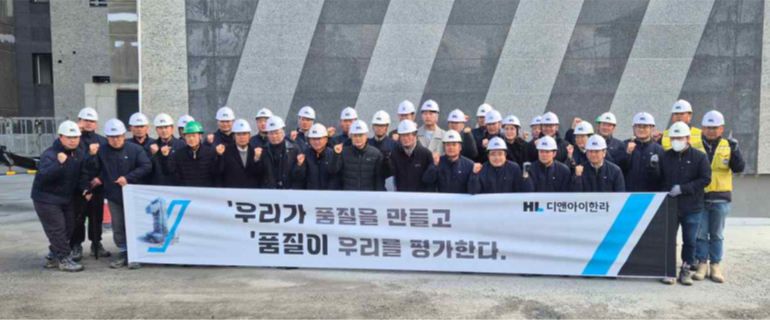
MINE is a program designed to ensure consistent quality standards at each worksite and promote continuous improvement based on four key concepts:Modify, Inspect, Network, Educate. Through quarterly inspections, the Company reviews worksite quality and defect cases and shares improvement tasks, thereby enhancing the effectiveness of its quality management system. HL D&I Halla also carries out subcontractor meetings and quality campaigns in parallel to promote company-wide quality improvement based on partnership. In 2025, the Company conducted four MINE Quality Inspections at major worksites, including Haeundae, Songdo, Gunsan, and Ulsan. Head office management, including CEO Hong Suk-hwa, and representatives of subcontractors directly participated in the inspections. They reviewed the importance of quality management, key provisions of guidelines, defect litigation cases, and the Company’s 2025 quality inspection objectives and response status, thereby demonstrating management’s firm commitment to quality.
MINE Quality Inspection at Ulsan Ujeong-dong
MINE Quality Inspection at Haeundae Udong Officetel
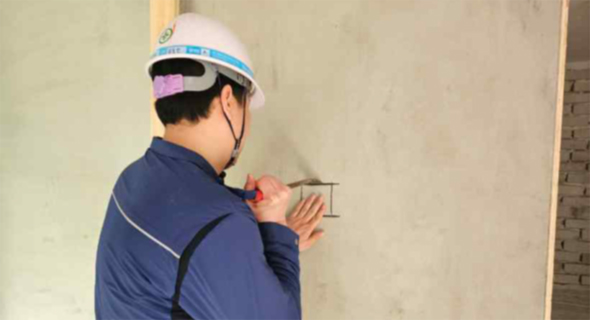
MINE Quality Inspection Activities
Product and Service Safety Inspections
Based on its company-wide quality management system, HL D&I Halla operates inspection and testing management systems for each business site to ensure the safety of its products and services.
At worksites, the Company conducts comprehensive inspections and testing of material performance, structural safety, and construction quality. Through these activities, HL D&I Halla proactively manages quality risks that may arise during construction and ensures reliable construction quality for customers.
The Company systematically verifies the performance and structural safety of construction materials throughout all stages, including design, material use, construction, and maintenance.
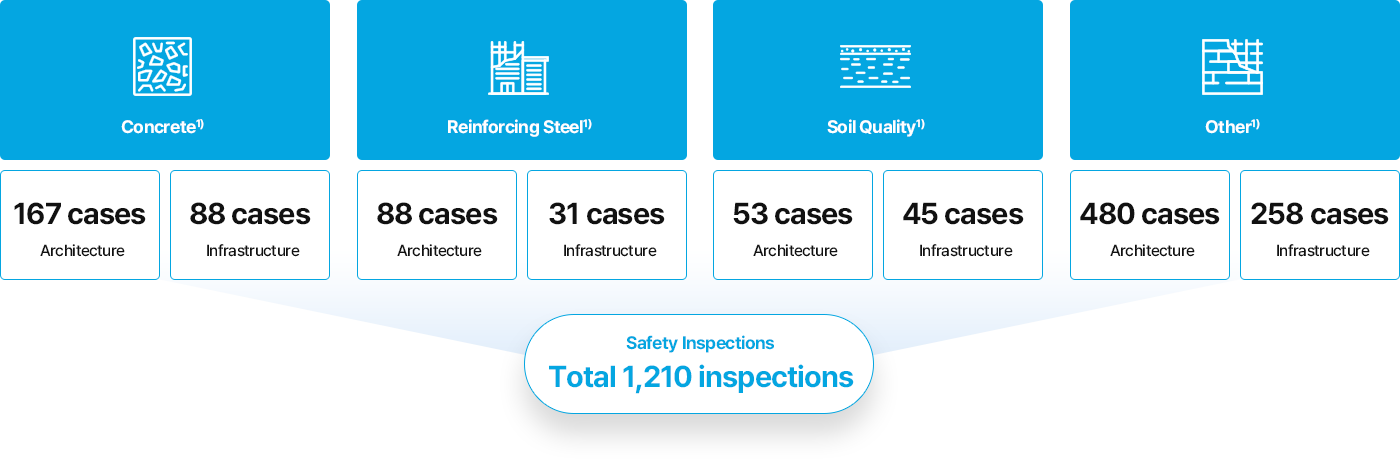
HL D&I Halla also assigns 101 inspection and testing professionals across all worksites and independently performs inspections and testing in accordance with applicable laws and regulations, including the Construction Technology Promotion Act.
For tests directly related to structural safety, including concrete, reinforcing steel, and soil quality, the Company operates separate verification procedures through nationally accredited quality testing institutions to ensure reliability.
Through this inspection and testing management system, HL D&I Halla continues to strengthen product and service safety and quality reliability, thereby contributing to stable construction quality and enhanced customer value.
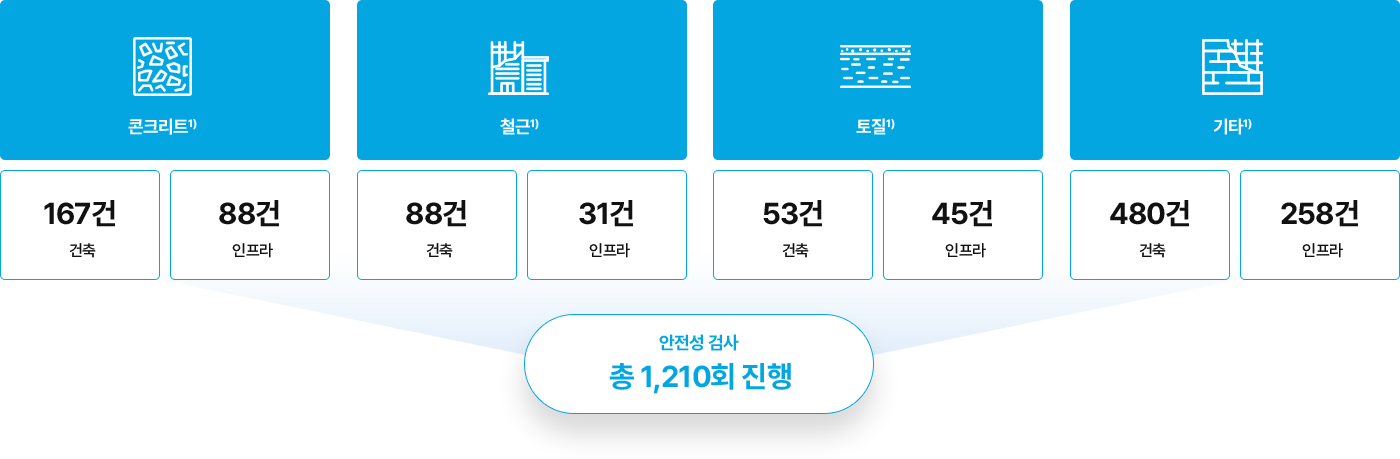
Product and Service Safety Inspections
1) Number of structural safety inspections commissioned to external specialized institutions; excludes tests performed directly by worksites
2) Number of product safety inspections commissioned to external specialized institutions; includes safety inspections of areas surrounding construction sites
Quality and Safety Management Status

Quality Managers1)
1) Professionals responsible for conducting quality audits at worksites
Regular Safety Inspection Performance
2025 Indoor Air Quality Measurement and Inspection Performance2)
30
Inspection Items
2,704
Units Inspected
5
Worksites Inspected
2) Safety inspections of apartment housing scheduled for completion conducted through external specialized institutions; applicable only to architectural worksites
Quality TEN! TEN! Campaign
HL D&I Halla operates the Quality TEN! TEN! Campaign to enhance brand value through precise, worksite-centered construction and fundamentally prevent potential defect risks.
The campaign establishes ten mandatory compliance items and ten prohibited practices tailored to the characteristics of each work type, with the objective of establishing an autonomous quality management system across all worksites.
By encouraging each worksite to establish and thoroughly implement a customized quality plan, HL D&I Halla proactively addresses potential defects and legal risks following completion and pursues uncompromising construction quality.
Implementation of the Quality TEN! TEN! Campaign
 Ten Requirements to Follow
- ① Thoroughly maintain cleanliness before work
- ② Thoroughly verify clear cover for reinforcing steel
- ③ Thoroughly manage structural curing
- ④ Thoroughly control uniformity of exterior walls
- ⑤ Thoroughly manage rooftop water pressure
- ⑥ Thoroughly manage airtightness of curtain walls
- ⑦ Ensure that grounds for design changes are maintained
- ⑧ Ensure that supporting construction records are maintained
- ⑨ Maintain inspection records for major construction activities
- ⑩ Maintain records of drawing revisions
Ten Practices to Eliminate
- ① Prohibit insufficient reinforcing bar lap lengths
- ② Prohibit improper separation of aggregate materials
- ③ Prohibit the use of unapproved materials
- ④ Prohibit incomplete construction of dry mortar upstands
- ⑤ Prohibit discrepancies between drawings and completed construction
- ⑥ Prohibit mismatched tile finishes
- ⑦ Prohibit finishing work before checking moisture content
- ⑧ Prohibit unverified work following work instructions
- ⑨ Prohibit overlapping finishing work
- ⑩ Prohibit leaving waste inside residential units
Quality Management Strategy during the Pre-occupancy Inspection Stage
EFETE TIME
In accordance with the amended Housing Act, HL D&I Halla faithfully conducts pre-occupancy inspections and strengthens its responsibility as a construction company by proactively managing quality risks through direct inspections.
In particular, the Company operates EFETE TIME, a preliminary quality inspection program conducted 30 days before the pre-occupancy inspection.
The program focuses on major work types with a high frequency of defect claims, including wallpaper, tiles, PL windows, kitchen furniture, and flooring.
Through these activities, HL D&I Halla minimizes customer inconvenience caused by defects and simultaneously promotes defect prevention and customer satisfaction by resolving quality issues in advance.
In 2025, the Company conducted EFETE TIME inspections four times before pre-occupancy inspections.
As a result of these efforts, the number of defects reported per household at the four pre-occupancy inspection sites conducted in 2025 decreased by 9% year on year.
EFETE TIME Process
Step 1
Select a Quality Inspection Company
- Select the quality inspection company based on the worksite’s contractor selection process
Step 2
Prepare for the Quality Inspection
- Coordinate the inspection schedule and establish standards by construction work type
- Prepare drawings and specifications
- Prepare inspection checklists
Step 3
Conduct the Quality Inspection
- Conduct self-inspection and the first inspection and, where necessary, a second inspection
- Record inspection results and classify defect items
Step 4
Enter and Analyze Data in the System
- Prepare statistics by defect type
- Manage historical records by entering results into the EFETE TIME system
Step 5
Report Results and Provide Feedback
- Prepare a quality inspection report
- Hold a quality improvement meeting and discuss advance measures for major defects
Step 6
Prepare for the Pre-occupancy Inspection
- Conduct final confirmation of quality assurance before the pre-occupancy inspection
- Share results among departments and establish an action plan
Number of Defects Reported in 2025 Compared with 2024
Outstanding Practice
Third Party Inspection(TPI)
To strengthen objective quality assessments and its proactive response framework, HL D&I Halla piloted Third-Party Inspections (TPI) at two worksites in 2025.
The inspections were conducted using an appropriate sample of residential units to ensure the representativeness of inspection results and assess quality standards for major work types from the perspective of an external specialized institution.
The inspection found that PVC windows accounted for the highest proportion of defects identified during the pre-occupancy inspection stage, highlighting the need to strengthen quality management for this work type.
A worksite survey also showed that 94% of respondents viewed the introduction of TPI positively and considered external inspections to provide substantive support for improving worksite quality.
Based on these results, HL D&I Halla plans to expand TPI to five worksites in 2026. The Company will establish inspection timing according to the progress of each worksite and further strengthen its quality management system through more effective quality assessments and proactive defect prevention.
Key Performance
Pilot Worksites
2
Secured the Representativeness of Inspection Results
Positive Response Rate to the Introduction of TPI
94%
Confirmed Substantive Quality Improvement Effects
2026 Plan
5
Expand Application Based
on Proof-of-Concept Results
Mobile-based Quality Management Strategy
Mobile Construction Management System
To strengthen construction management efficiency and quality management capabilities through the digitalization of worksite operations, HL D&I Halla introduced a Mobile Construction Management System on a proof-of-concept basis at three worksites in 2025: Gunsan Jigok 2, Yongin Geum-eo, and Suwon Yeonmu-dong.
The system enables major worksite tasks—including progress management, real-time construction progress tracking, construction daily log preparation, and optional work management—to be handled on mobile devices, reducing the workload of worksite employees and improving operational efficiency.
The PoC demonstrated that the time required for progress management decreased by approximately 55% per week. Real-time progress tracking minimized telephone-based verification procedures, saving more than four hours of work per week.
The time required to prepare construction daily logs was also reduced by approximately 82%. In addition, the digitalization of optional work management reduced processing time and prevented construction omissions.
Beginning in 2026, the Company plans to apply the system to worksites in phases and continue expanding the use of the Mobile Construction Management System.
Verified Effects of Introducing the Mobile Construction Management System
55%▼
Time Required for Progress Management
100%▼
Telephone Time Required to Track Construction Progress
82%▼
Time Required to Prepare Construction Daily Logs
Estimated KRW 14.52 million
Reduction in Optional Work Order Printing Costs
Estimated KRW 49 million
Prevention of Additional Costs Caused by Omitted Optional Work
Enhancing Quality Awareness
CS Conference · CS Report
HL D&I Halla operates quality improvement activities centered on the CS Conference and CS Report to enhance company-wide quality awareness and prevent defects.
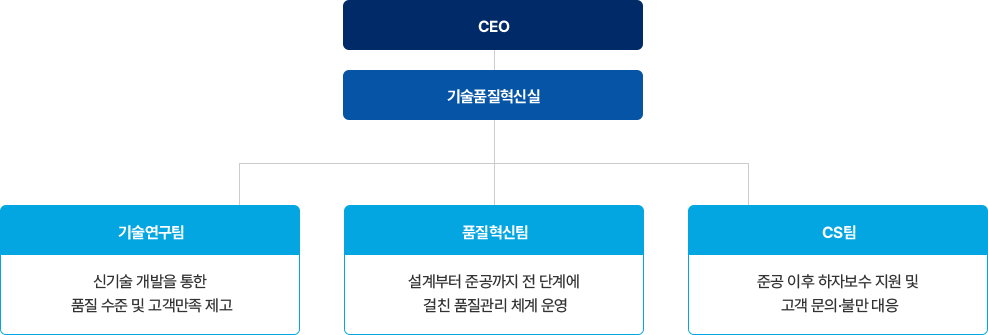
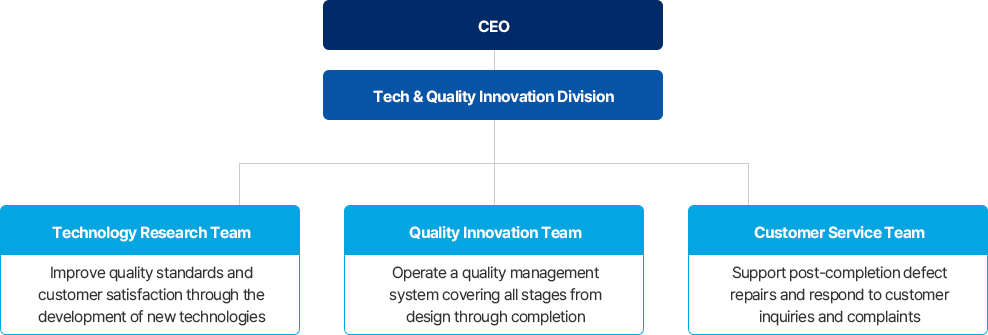
At the CS Conference, led by the Tech & Quality Innovation Division, the Company analyzes major defect cases and quality issues and develops construction improvement measures through collaboration with relevant departments. The resulting measures are distributed to worksites as construction guidelines.
Major defect cases and improvement tasks identified through this process are systematically compiled into CS Reports and defect casebooks.
Under the Total Quality Management (TQM) framework, these matters are reported twice a year to company-wide management, including the CEO. Management reviews major cases, improvement performance, and future management systems.
TQM discussions are shared throughout the Company together with a CEO message. Through this process, HL D&I Halla raises awareness of major quality issues and links discussions to improvement activities at worksites and relevant departments.
Interdepartmental Communication Activities to Strengthen Quality
- Introduce internal and external quality issues
- Disseminate defect cases and identify their causes
- Establish recurrence prevention measures and discuss interdepartmental cooperation
- Report CS Conference results
- Share company-wide defect cases
- Report on the activities of the Customer Service Team and Quality Innovation Team
- Report to management and receive feedback
- Share the CEO’s message company-wide
Publication of Defect Casebooks
Enhancing Internal Quality Awareness
Technical Guidelines for Quality Construction
HL D&I Halla establishes and operates Technical Guidelines for Quality Construction to ensure consistent quality across all worksites and standardize construction practices.
The guidelines systematically present material performance standards, construction methods for major work types, and precautions and serve as standards for increasing the reliability of worksite construction quality and achieving customer satisfaction.
Following the advancement of guidelines for 25 work types in 2025, the Company added steel frame and wood window and door work in the first half of 2026. It now operates a standardized technical guideline system covering 27 key work types.
Technical Guidelines for Quality Construction
Newly Added Work Types in 2026
Reinforcing steel work
Concrete work
Steel frame work
Exterior finishes
Interior finishes
Masonry
Plastering
Tiles
Waterproofing
Aluminum windows
PL windows
Glass
Metalwork
Coating
Insulation
Lightweight walls
Ceiling work
Flooring
Wallpapering
Stonework
Painting
Wood door work
Fire doors
System bathrooms
Inter-floor sound insulation materials
General furniture
Kitchen furniture
Performance from Operating the Technical Guidelines for Quality Construction
Compliance with Standards for
Door-related Work Types Increase
in Compliance Rate after Training
4% ▲
Waterproofing Thickness
HL-Academy
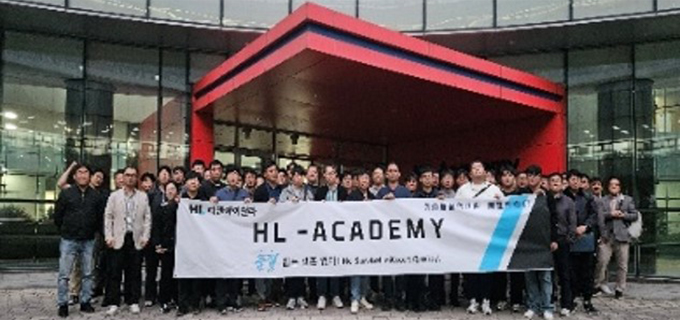
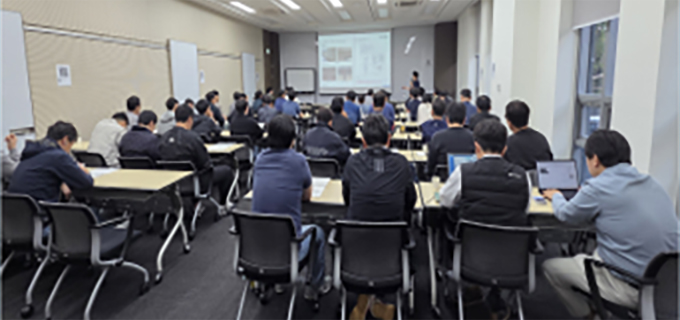
HL D&I Halla operates the HL Academy to disseminate and internalize the Technical Guidelines for Quality Construction and prevent defect and litigation risks.
In 2025, the Company conducted four training sessions, enabling worksite technical personnel and quality managers to participate once a year on a mandatory basis. The program was operated in conjunction with workshops for worksite employees of the Architecture Business Management Team.
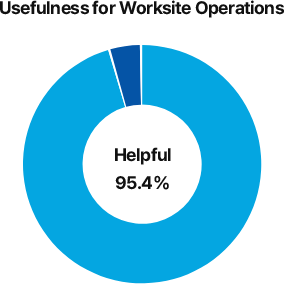
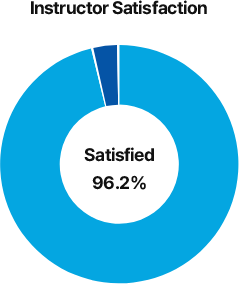
Participants generally reported high satisfaction with the training in terms of practical applicability and professional expertise.
Going forward, the Quality Innovation Team plans to reorganize the program into a one-day class and expand practical content—including defect corrective-action and resolution cases and visual training materials—by reflecting survey results.
Results of the HL Academy Training Effectiveness Assessment
Subcontractor Quality Management Strategy
Subcontractor Penalty and Benefit System
HL D&I Halla operates a Subcontractor Reward and Penalty System to implement rigorous quality management from the initial stages of its supply chain.
The Company conducts regular monthly preliminary and final evaluations and issues either a warning notice or an incentive certificate based on objective indicators, including defect resolution rates, average resolution periods, and the status of long-outstanding defects.
A warning notice is issued where:
The defect resolution rate is below 90%
The average resolution period exceeds 15 days
More than 20 long-outstanding defects¹) occur
An incentive certificate is granted to subcontractors that meet all of the following criteria:
A defect resolution rate of at least 95%
An average resolution period of less than seven days
No long-outstanding defects
Evaluation results remain valid for one year.
Depending on the accumulated number of warnings and incentive certificates, measures may include bidding restrictions, cancellation of registration, or opportunities to have bidding restrictions lifted.
Through this system, HL D&I Halla systematically manages quality risks from the initial stage of its supply chain.
1) Defects that remain unresolved for more than 60 days
Penalties and Benefits Based on Warning Notices and Incentive Certificates